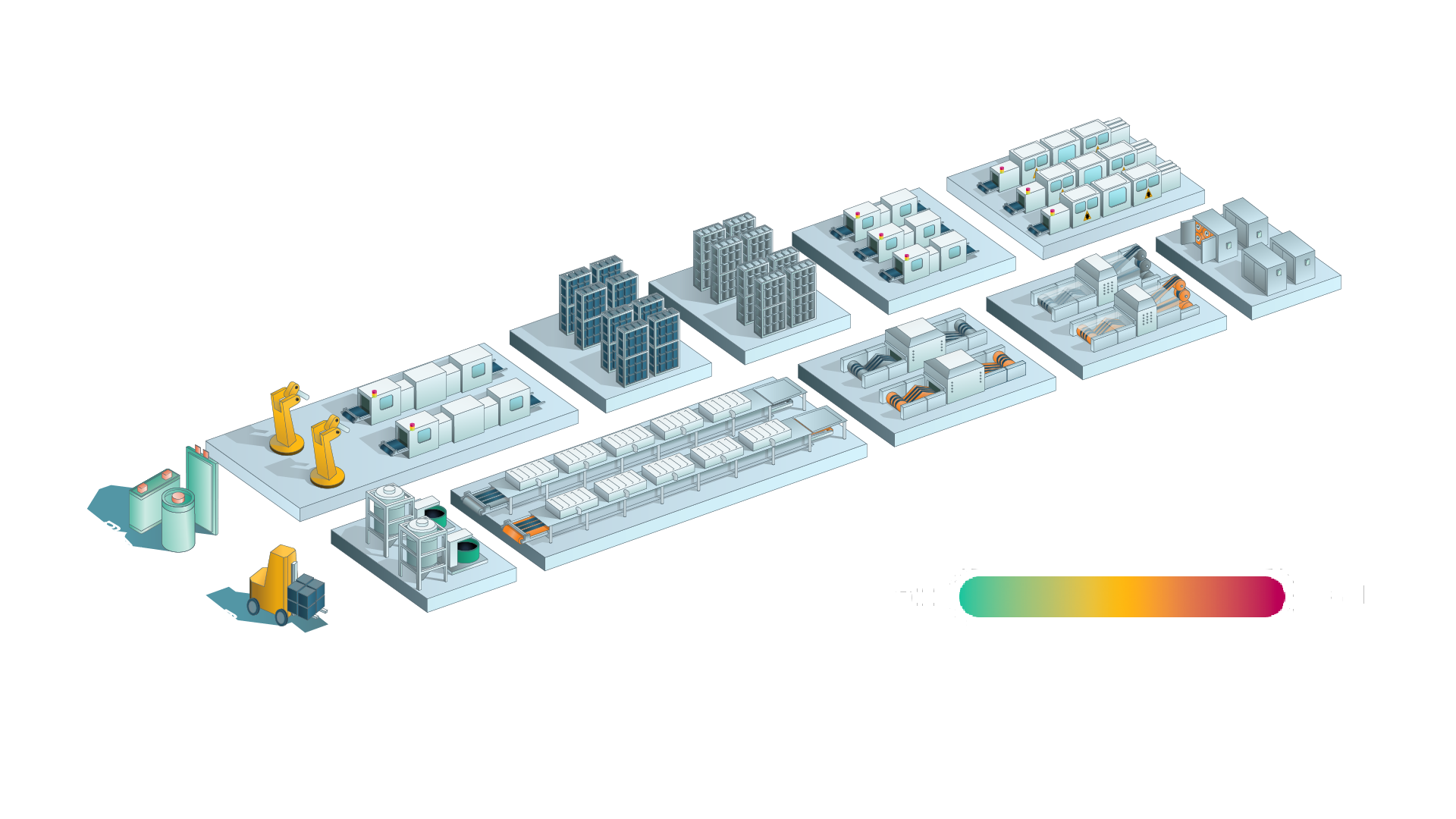
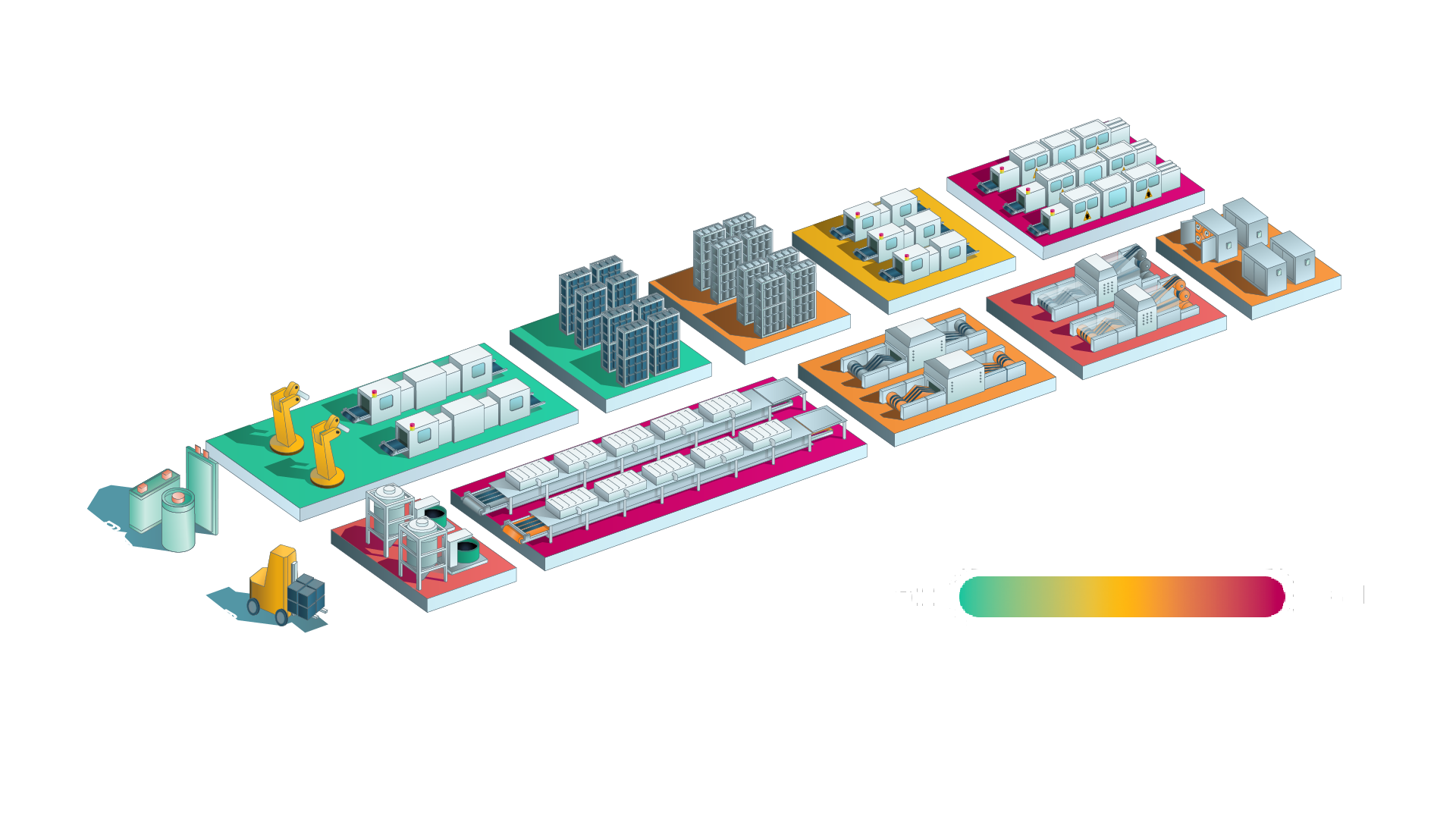
Heatmap of Workforce
Disclaimer:
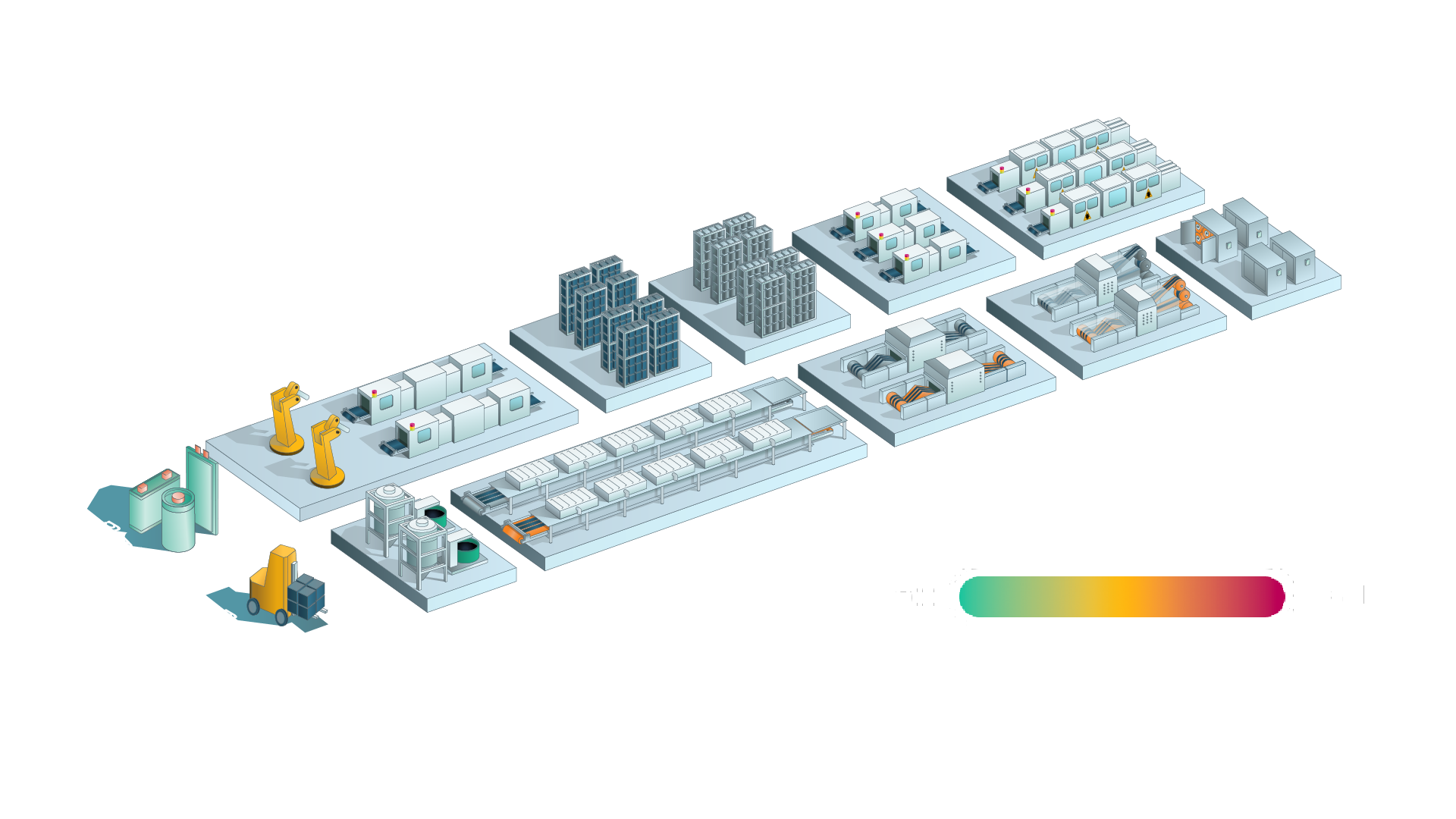
The “Heatmap of Workforce” compares the required number of full-time equivalent (FTE) across different process steps in terms of battery cell production capacity measured in GWh per annum. In the following, a distinction is made between support staff and specialists. Support staff are characterized by general qualifications and the performance of ancillary tasks and routine operations. Specialists are characterized by advanced and specialty knowledge and qualifications, as well as profound technical expertise. Specialists are commonly responsible for tasks that are complex and must be able to perform tasks independently.







Incoming Quality Control
The initial inspection
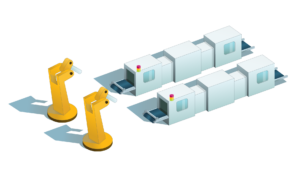
Incoming Quality Control (IQC) requires a low number of FTE. During IQC, ma-terials and components are inspected and tested to avoid quality issues or de-fects early on. Typical assignments include documenting incoming materials and components and ensuring that they are inspected and verified. In addition, the employees are responsible for reporting irregularities, such as contamination of raw materials. Most associated tasks are automated via, for example, Auto-Optical Inspection (AOI). Therefore, the personnel requirements are declining.
Overall, the personnel requirements in IQC can be estimated at 0.83 FTE per GWh of battery cell production capacity per year.
Dosing & Mixing
Fluctuating staffing requirements
In Dosing and Mixing, the workforce requirements differ across literature. The number of FTE is determined by the degree of automation and the mixing technology. Common tasks include the (1) management of raw materials supply, (2) operation of the mixer(s), (3) Quality Management, (4) cleaning and maintenance, (5) transferring the slurry, and (6) monitoring of anomalies. In this process step, the quality can be diminished. Scrap can occur because of inaccuracies in dosing procedures. Therefore, workers ensure precise dosing and ingredient proportions. Moreover, the size of the machinery and the specific tasks performed also have an influence on staffing requirements. Optimization strategies focus on improving the ratio of specialists to support staff. Thereby, the labor costs (of support staff) can be lowered.
The personnel requirements for the dosing and mixing process range from 0.78 FTE to 2 FTE per GWh of battery cell production capacity per year.
Coating & Drying
A labor-intensive process step
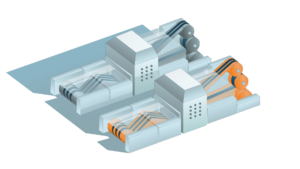
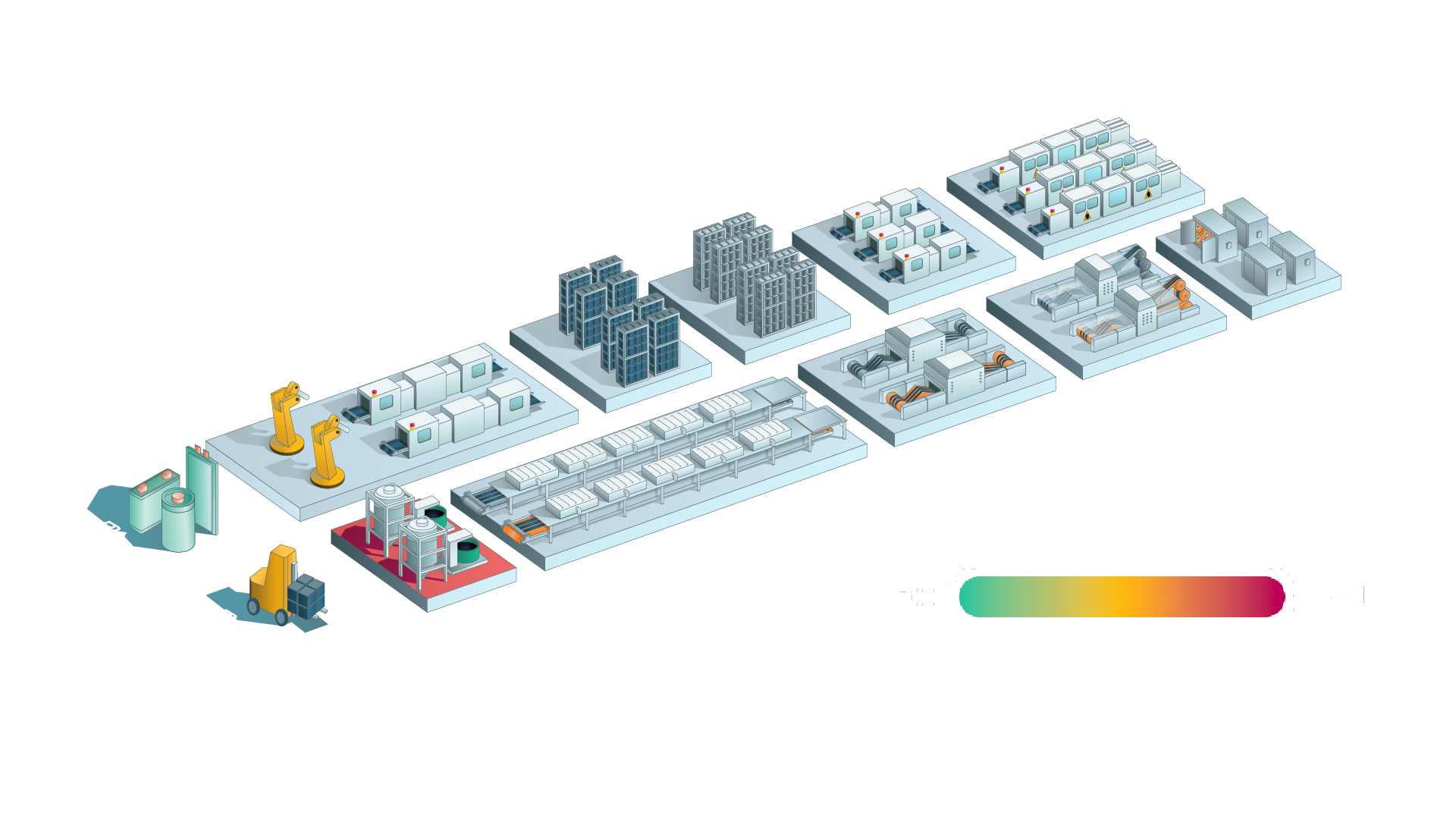
Coating and Drying require a significant number of employees. Generally, this process step starts with the application of the slurry to the substrate foil via slot die, doctor blade, anilox roller or other application tools. The electrode foil can be coated intermittently or continuously. Then, the coated substrate foil is subsequently dried. The intent of the drying process is to remove the solvent from the coating. For this reason, the coated substrate foil is heated, for example, by convection. The film is then transported either via rollers or levitation systems. Common tasks include (1) ensuring the supply of copper or aluminum foil and electrode paste, (2) transporting the coated coils, (3) monitoring, and (4) cleaning and maintenance. However, fewer specialists are needed than support staff. The coating and drying process has the potential to be laborintensive. The latter is influenced by the scale of battery cell production and other parameters.
Errors during coating and drying have a significant impact on quality. This is evident in the scrap rate. The increase in the scrap rate may result in the need for personnel to ensure high quality standards. The quality of the coil influences cell performance. Consequently, some manufacturers choose to further increase the number of both support staff and specialists involved in this process step.
The personnel requirements for the coating and drying process vary from 1.56 FTE to 4 FTE per GWh of battery cell production capacity per year.
Calendering
Not many workers required
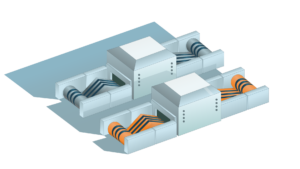
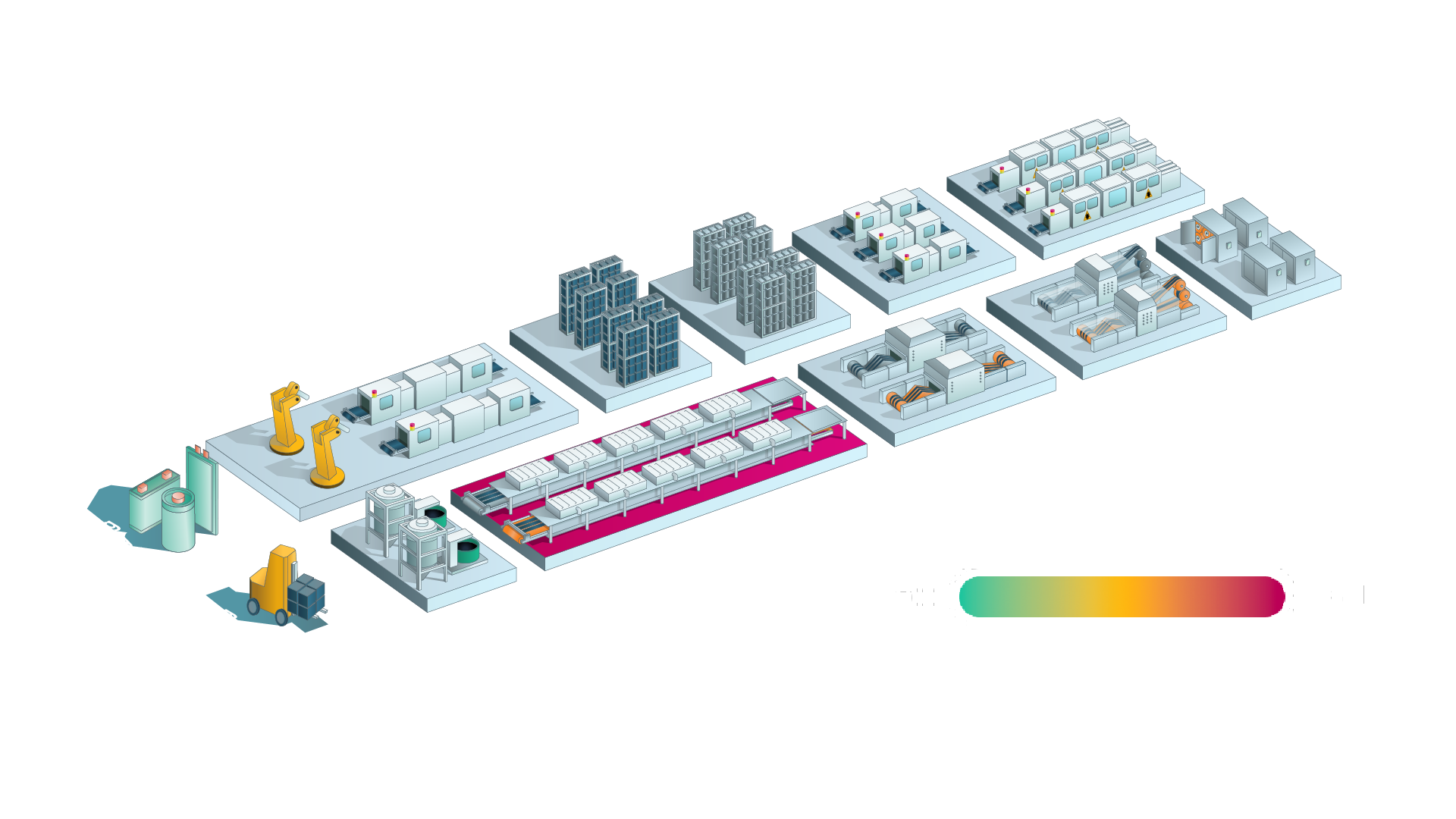
Calendering requires a low number of workers. Workers are primarily responsible for the oversight of the procedure and monitoring the equipment. However, Lechner (2024) notes that this process step requires an equal number of specialists and support staff. The staffing requirements are continuously being optimized through advancements in automation and process control. Furthermore, workforce management leverages the nonlinear relationship between production volume and workforce requirements to optimize labor costs. This results in lower workforce requirements per unit of production. Therefore, further automation is sought at high production volumes, such as in logistics. Additional workforce management strategies include the adaption of instruments such as quality prediction models (Turetskyy (2021)) or non-contact measurement systems to, for example, monitor belt tension over time. The majority of optimizations aim to reduce the manually performed spot checks.
The workforce required for the calendering process varies from 0.52 FTE to 2 FTE per GWh of battery cell production capacity per year.
Slitting
Dynamic change of tasks
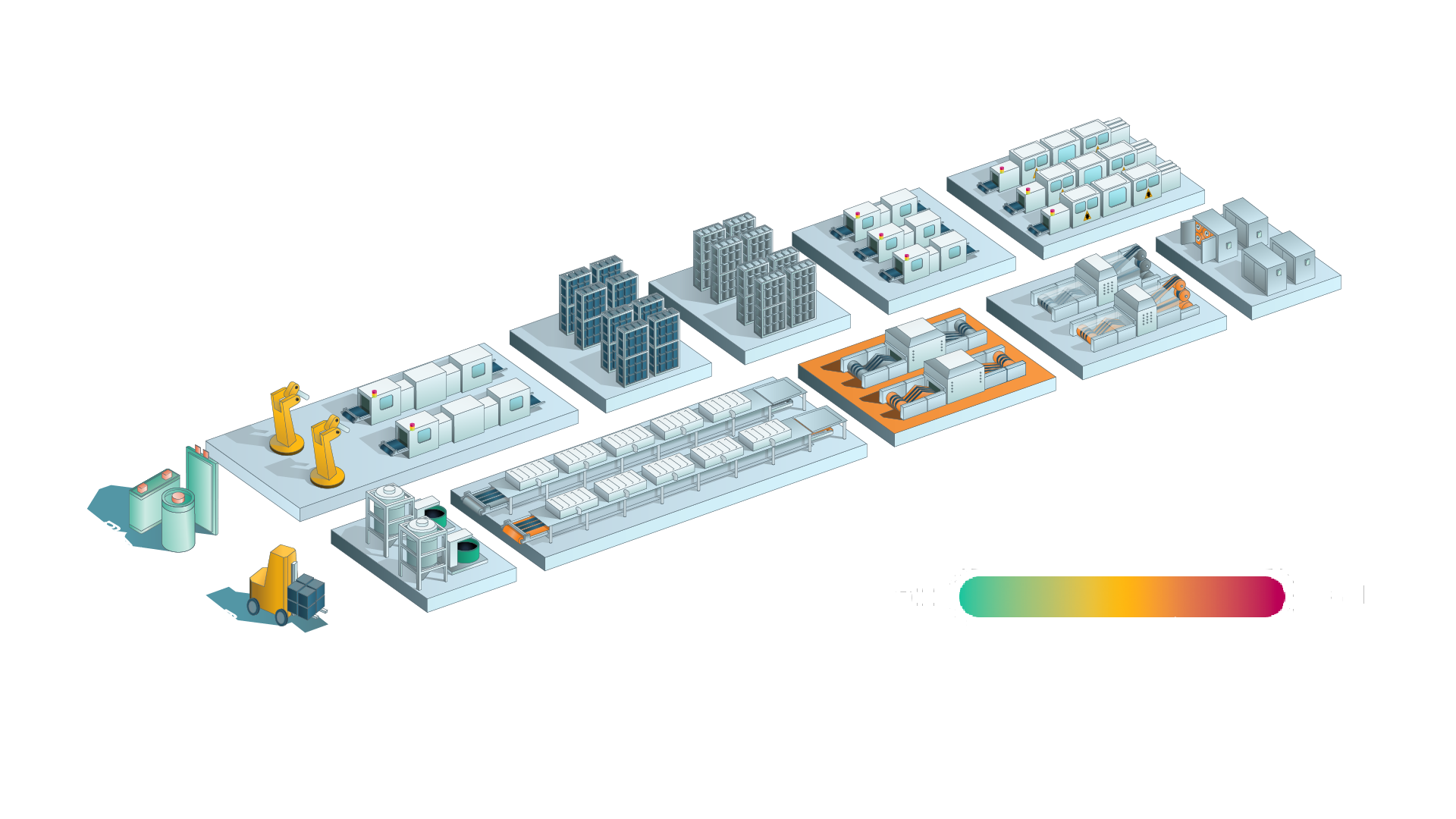
In Slitting, the personnel are primarily responsible for overseeing the separation of the electrode coil (mother coil) into multiple smaller electrode coils (daughter coils). The employees also ensure that width tolerances are maintained and perform related quality control tasks. In addition, support staff and the specialists involved must monitor the cleaning process. In this process step, the number of specialists does not exceed the number of employees serving as support staff. Overall, staffing requirements are considered moderate.
However, the specific tasks performed by the employees required for this process can vary significantly. The variation depends on the battery cell manufac-turing plant. On the one hand, the size of the plant itself influences the number of employees required. On the other hand, the level of automation contributes to the variations. In addition, innovations such as those in the maintenance system alter the process flow. These innovations enable predictive maintenance. This increases the efficiency of the entire process step while simultaneously reducing staffing requirements during operation. Consequently, both the ratio of support staff to specialists and the qualifications required of the workforce involved differ between battery cell factories. These factors also affect the total number of personnel involved in this process step.
The personnel requirements for the slitting process range from 0.78 FTE to 2 FTE per GWh of battery cell production capacity per year.
Vacuum Drying
Less need for specialization among employees
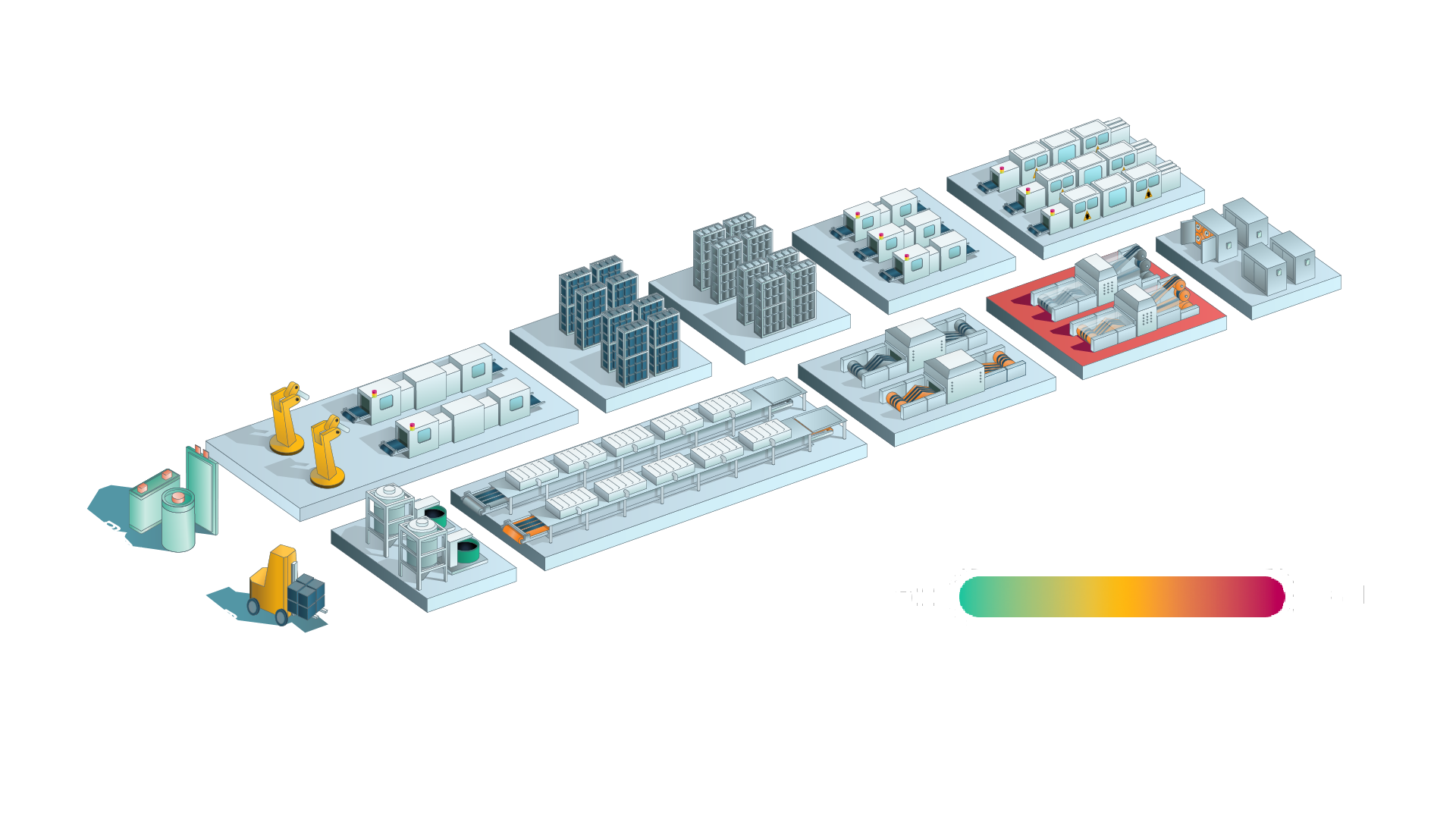
The intent of the Vacuum Drying process step is to avoid residual moisture and solvents remaining on the coil. Here, the determination of residual moisture is important because it may influence cell performance. This processing step requires a moderate number of workers. The main reason is the passivity of vacuum drying. Therefore, only a small number of specialists are required. The number of supporting staff differs and is optimized at scale of production. Lechner (2024) points out that the ratio of supporting staff members and specialists is significant. Specifically, he found that ten times as many supporting staff members are required as specialists.
Common strategies for minimizing the number of staff involved focus on automating the loading and unloading process step within vacuum drying stage.
The personnel requirements for the vacuum drying process range from 0.57 FTE to 0.67 FTE per GWh of battery cell production capacity per year.
Assembly
A highly automated, labor-intensive process
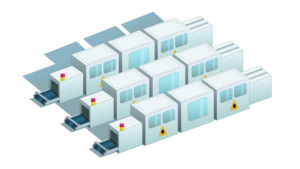
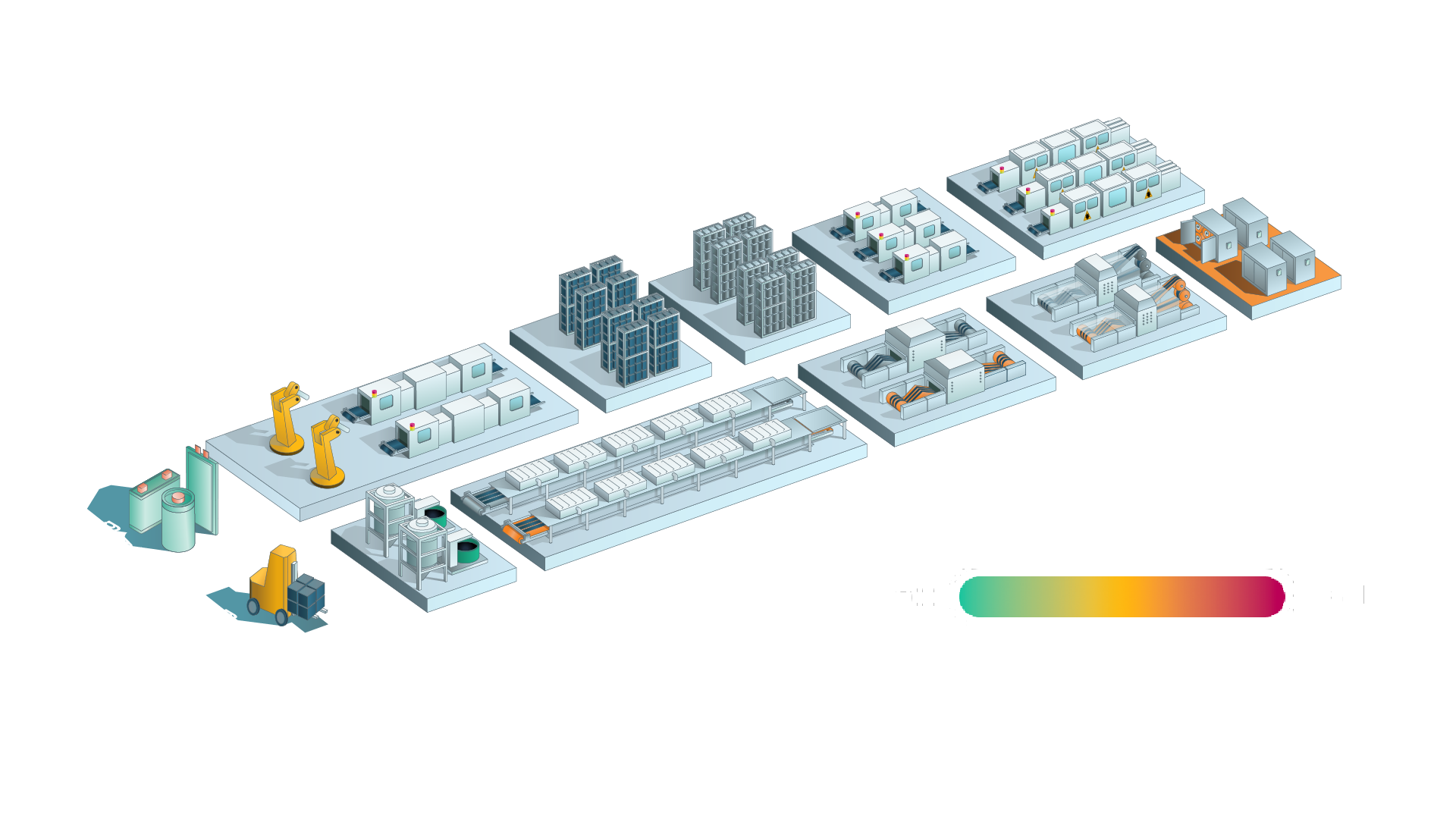
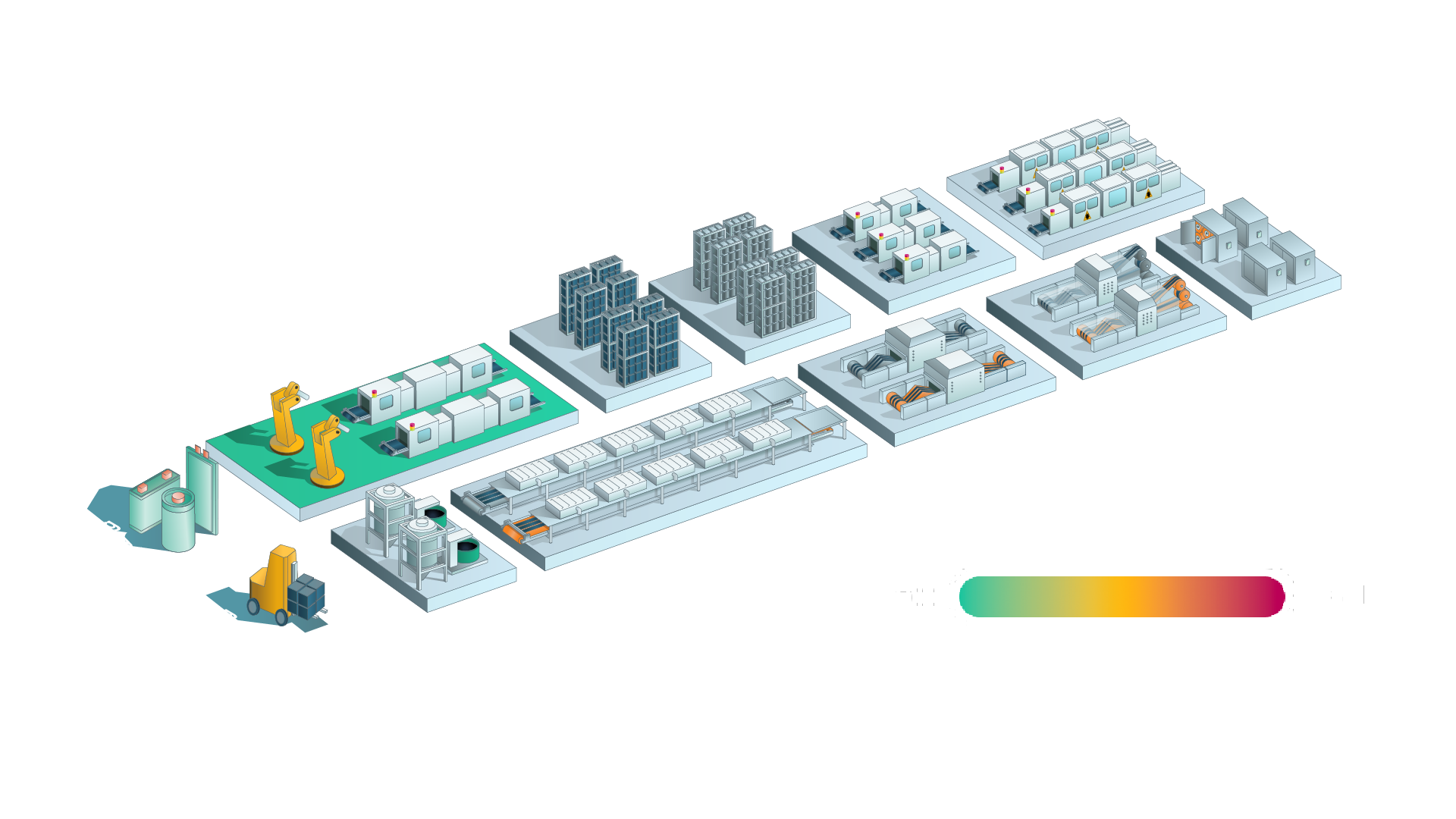
The tasks within Assembly range from separating the electrode over creating the cell stacking and final winding and installing of the cell. While the processing step is highly automated, assembly remains to be labor-intensive. Automation imposes additional requirements, such as intralogistics (e.g., for the traceability of electrode roll sets). The primary responsibility of workers is process monitoring. The absolute workforce requirement differs. The ratio between supporting staff to specialized workers fluctuates.
The main reason for the high workforce requirements is the number of process steps and their complexity. Processes such as stacking require a high degree of precision during execution. Consequently, employee specialization is essential. Due to the large number of complex steps within the “Assembly” process, various domains intersect. Coordinating these also contributes to the increased workforce requirements. Moreover, hazardous substances are used in the assembly process imposing safety risks. Those can affect staffing requirements under certain conditions. The occurrence of safety risks does not necessitate a high number of workers but relates to a different consideration. The main implication is that employees must receive special training to monitor potential hazards, identify risks, and determine their sources. The focus is on this ability and an increased awareness of hazards, not on the characteristics of the process. Overall, the battery cell assembly process step is both highly automated and labor-intensive.
The personnel requirements for the assembly process vary from 0.43 FTE to 4 FTE per GWh of battery cell production capacity per year.
Electrolyte Filling
Requires highly specialized workers
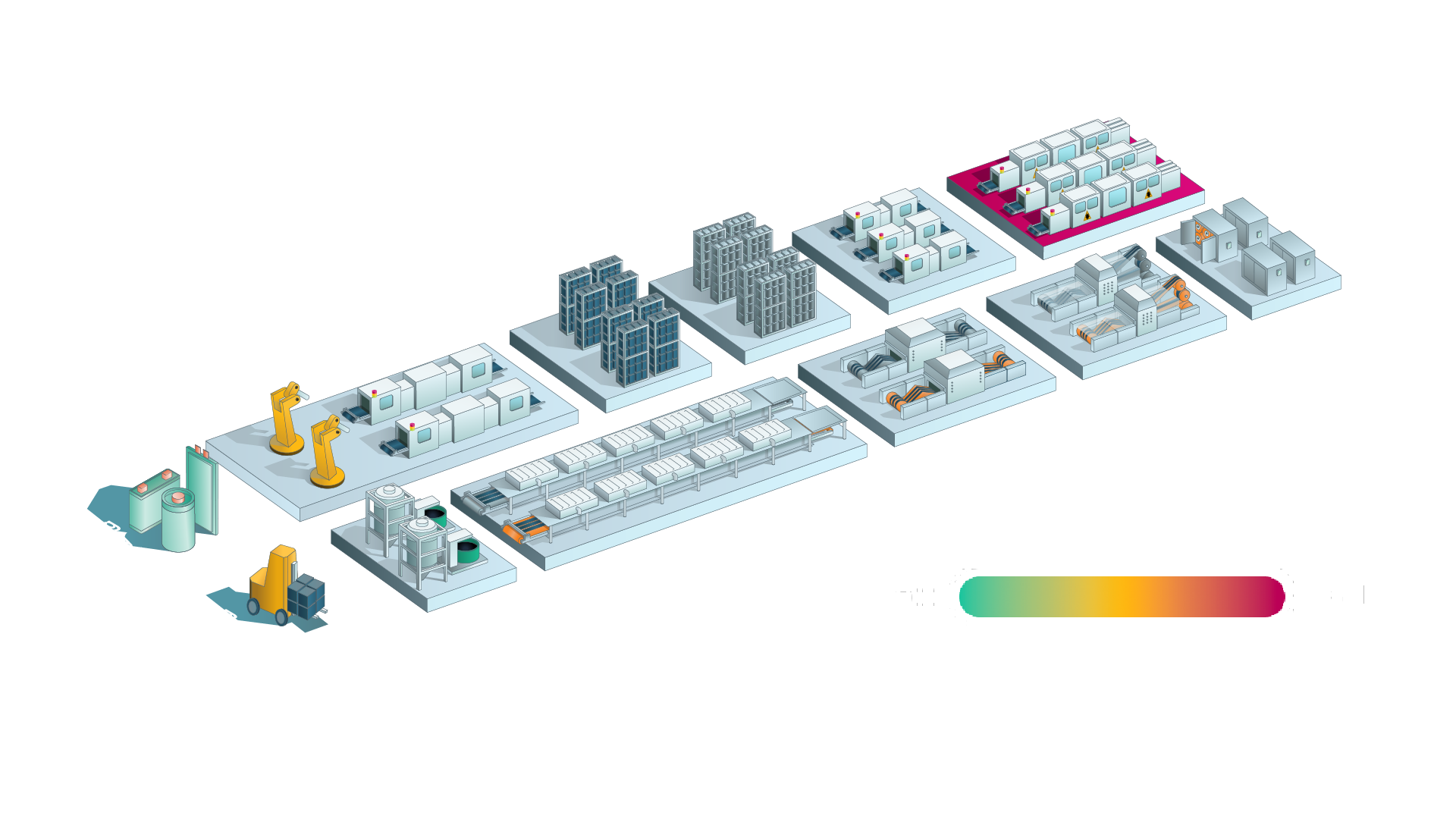
The Electrolyte Filling process requires a moderate number of workers. Here, the liquid electrolyte is precisely dosed as it is injected into the cell housing, which contains either the electrode set or the jelly roll. The most important factors influencing staffing requirements are the risk of incomplete wetting and the complexity of the machines used. The electrolyte filling process is a bottleneck. To address this bottleneck, a significant degree of parallelization is required. Academic literature, including Lechner (2024), further explains that while almost no supporting staff is required, a relatively high number of specialists is necessary. The required workforce needs to understand (1) the complexity of the machinery used during operations and (2) the complexity of the procedure itself. Therefore, the total number of employees involved in the elec-trolyte filling process is moderate, but the number of specialists is relatively high. Conversely, the labor costs associated with electrolyte filling are high.
The personnel requirements for the electrolyte filling process vary from 0.52 FTE to 1.67 FTE per GWh of battery cell production capacity per year.
Formation
Need for specialists to ensure production quality
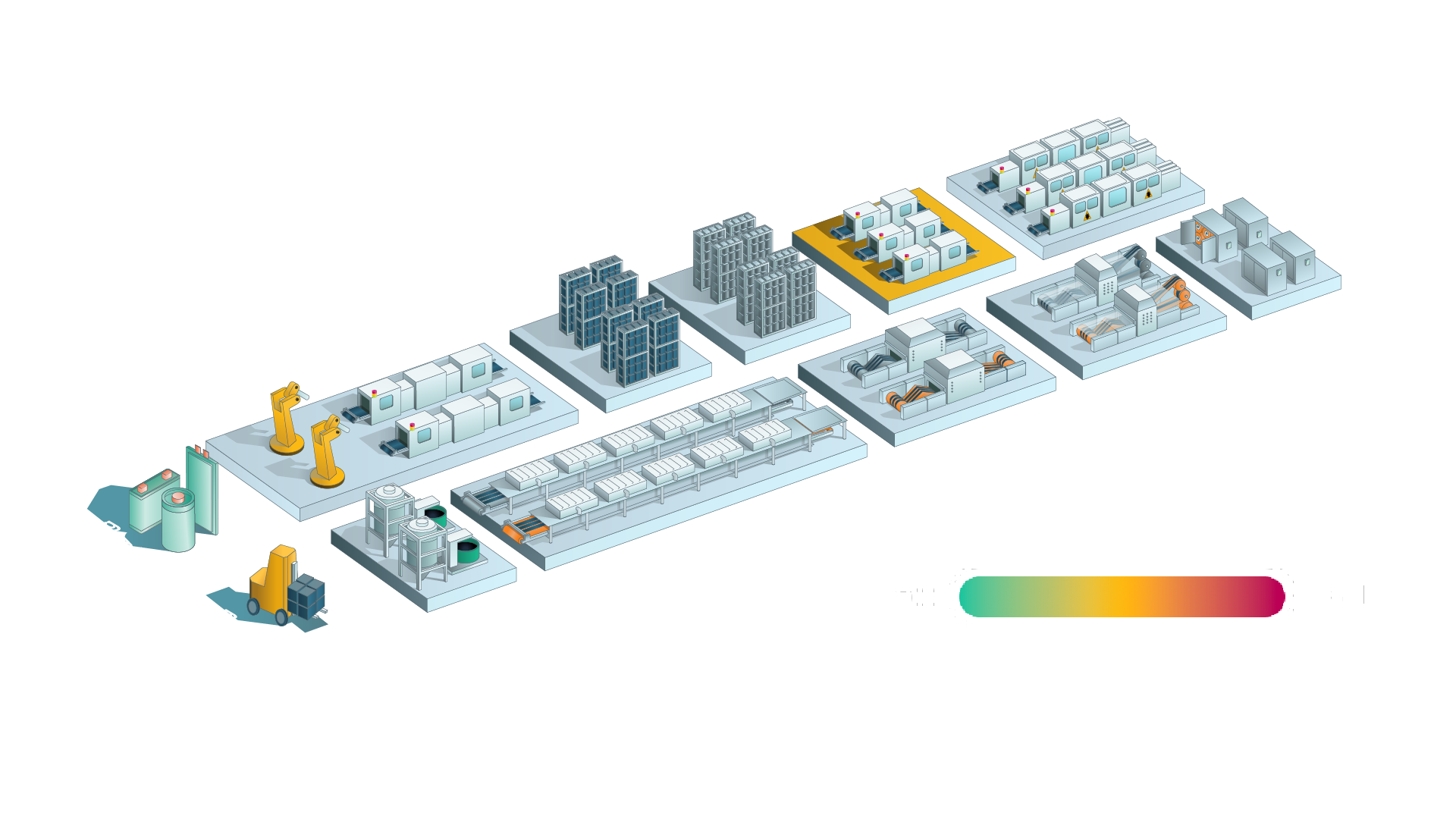
The process step of formation requires a moderate number of personnel. It comprises the initial charging and discharging of the assembled cell. One of the most important outputs of formation is the Solid Electrolyte Interface (SEI). The SEI acts as a boundary layer between the electrolyte and the electrode. It ensures that the cell is activated by the formation of the SEI ensuring electrode passivation. The personnel involved in this procedure are additionally responsi-ble for testing. The formation of the SEI is critical to the cell’s performance and quality and is considered a relatively complex task. The personnel involved in this step of the formation process are also responsible for verifying specified parameters to ensure the functionality of the manufactured cell. However, the primary responsibility of the personnel involved remains for process monitoring, as the processes within formation are typically highly automated. The required qualifications of employees vary, but the number of support staff and specialists is balanced.
The personnel requirements for the formation process vary from 0.21 FTE to 2.25 FTE per GWh of battery cell production capacity per year.
Aging
Automated process step requiring the least amount of personnel
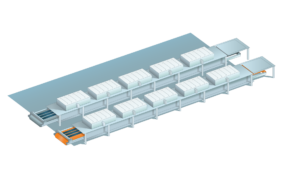
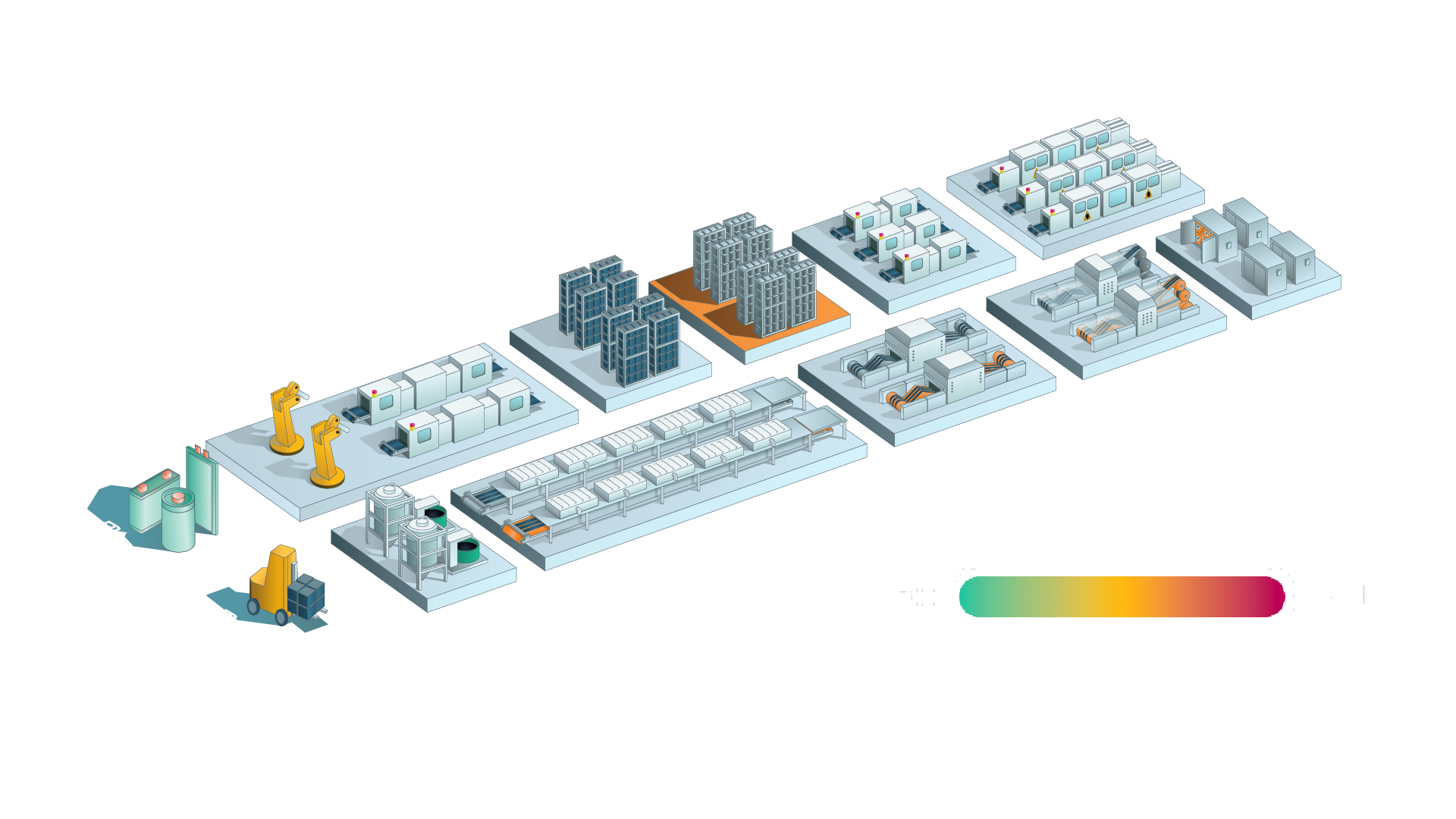
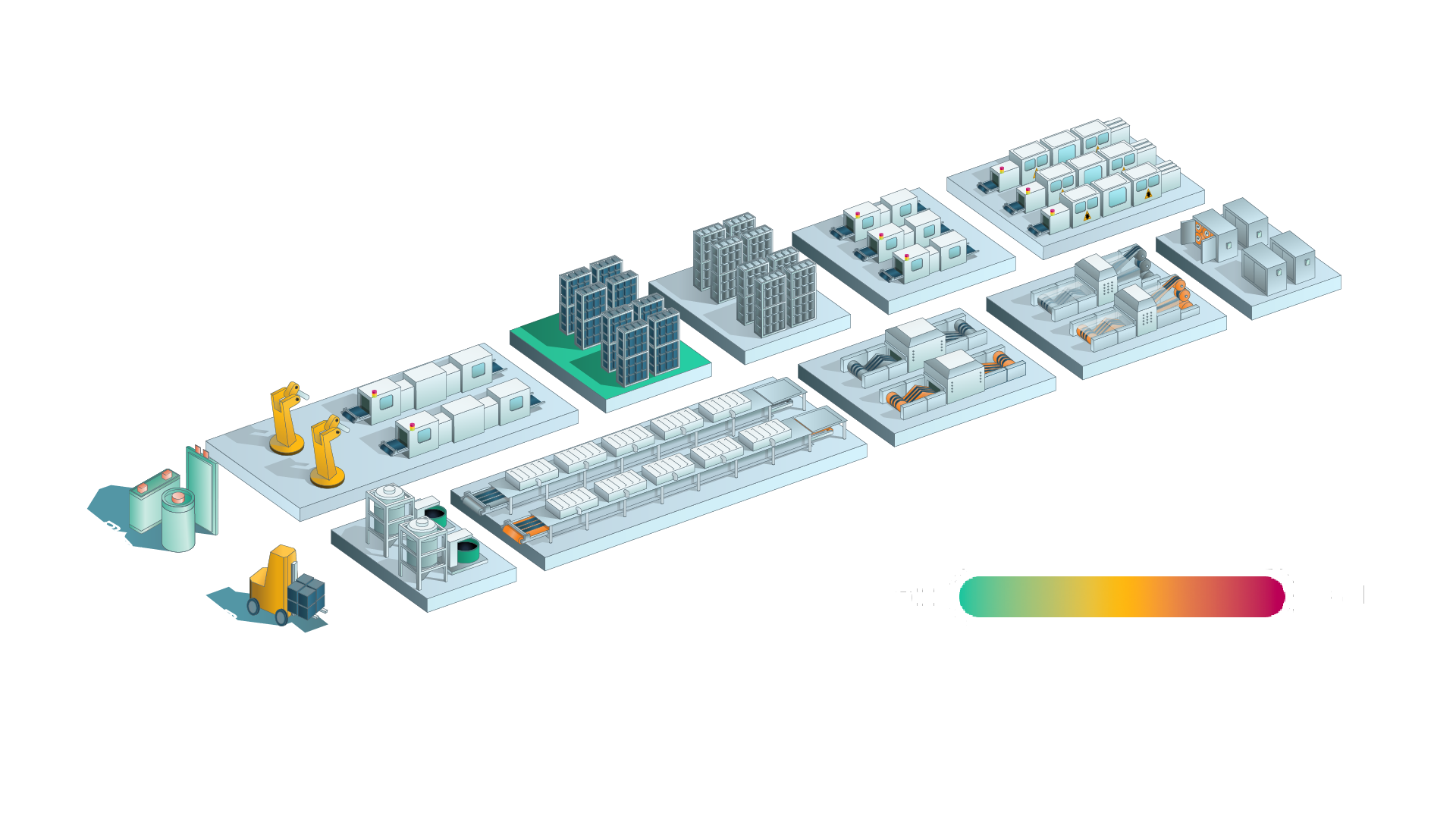
Aging requires the least number of workers in the entire battery cell production process. During aging, the manufactured battery cells are stored on aging racks and towers. The quality of the cells is first assessed. Afterwards, quality is continuously monitored. The staffing requirements for this process step depend on the process parameters used. At some manufacturers, almost no employees are required for this process step. At other manufacturers, a small number of employees are employed, primarily responsible for safety screening. The reason aging requires the least number of workers lies in the tasks associated with aging. The main tasks of aging consist of storing cells in aging racks or towers that contain many battery cells. At the same time, cell quality must be continuously monitored. Both of these tasks are automated in most battery cell manufacturing facilities. That is why almost no employees are needed for the aging process. Even though the aging process involves a longer timeframe, it requires minimal labor, as relatively few operations are performed to handle a relatively large amount of battery capacity in GWh. The process can take up to three weeks, but does not require continuous work steps, nor does it require the attention of the workers involved throughout the entire process. However, small manufacturers sometimes choose to alternate, for example, between automated storage in an aging rack and manual storage in an aging rack. In the latter case, more employees are needed for the aging process.
The personnel requirements in the aging process range from 0 FTE to 0.002 FTE per GWh of battery cell production capacity per year.
End-of-line Quality Control
A highly automated process step
End-of-line (EoL) quality control is one of the final steps in battery cell production. Here, the manufactured battery cells are tested to ensure that they meet high quality and performance standards. The specific parameters tested vary by manufacturer. Typically, EoL quality control includes internal resistance tests, visual inspections, and/or open-circuit voltage (OCV) tests, as well as an assessment of the manufactured capacity of the cells. Additionally, weighing and measuring geometry are commonly tested. After these tests, the cells are discharged to their state of charge for shipping. Staff involvement in this process is very limited. Both specialists and supporting staff are equally involved. However, EoL quality control is largely autonomous. Consequently, staffing requirements are relatively low. There is no significant need for specialists. In particular, the classification of the tested battery cells according to their quality and functionality is highly automated. Consequently, labor costs in this processing step are relatively low and vary depending on the manufacturer.
The workforce needed for the EoL-testing process varies from 0.1 FTE to 0.12 FTE per GWh of battery cell production capacity per year.
Outgoing Quality Control
Final process step with low to moderate impact on workforce requirements
In the production of lithium-ion battery cells, the outgoing quality control (OQC) ensures that only high-quality cells are shipped. This is crucial for meeting quali-ty expectations and maintaining the credibility of the battery cell manufacturer.
OQC requires low to moderate staffing levels.
The main reason for this is that the majority of tasks in this process step are automated. Outgoing quality control typically includes tests such as visual inspections for defects and electrical tests to verify performance. In addition, safety tests are increasingly being conducted to account for the risk of thermal runaway and to prevent hazards such as fires or even explosions of the manufactured battery cell. Once the quality inspections of the battery cell are complete, the recorded data sets are evaluated using various statistical methods, depending on the parameter being assessed and in accordance with the specified quality standard. The battery cell is then classified based on this evaluation. This processing step requires both specialists and support staff. As described above, the tasks of the OQC vary considerably in terms of their complexity and the degree of specialization required, for example, to perform the respective tests on the manufactured battery cells. Furthermore, the time required for an employee to complete the task is important. Accordingly, the number of employees and the required level of specialization depend on the specific task within OQC. However, the preparations for (1) transporting the manufactured cells and (2) managing damaged or low-quality cells remains a challenge in OQC. Overall, staffing requirements continue to depend on the manufacturer’s individual decisions and the size of the battery cell production facility. However, it is expected that innovations in testing methods will reduce staffing requirements in this process step in the future.
The personnel requirements in OQC vary from 0.59 FTE to 0.76 FTE per GWh of battery cell production capacity per year.